BIOCOOLER
ABSTRACT
The BioCooler utilizes the endothermic reaction of urea and water to provide a low-cost and electricity independent cold chain storage solution for resource scarce and emergency environments. The BioCooler's design also includes a modular clip system. This enables multiple units to be linked for easy and mass transport, as well as the attachment of additional mods, such as backpack straps, to make its use compatible with on-the-go fieldwork and other diverse environments. The BioCooler is also designed to be environmentally conscious as it is powered by biodegradable reagents and constructed from recyclable PLA plastic.
This technology was created for human benefit and can be licensed free of charge for charitable or non-commercial use.
Please see the manuscript below for further details on the BioCooler's design and functionality.
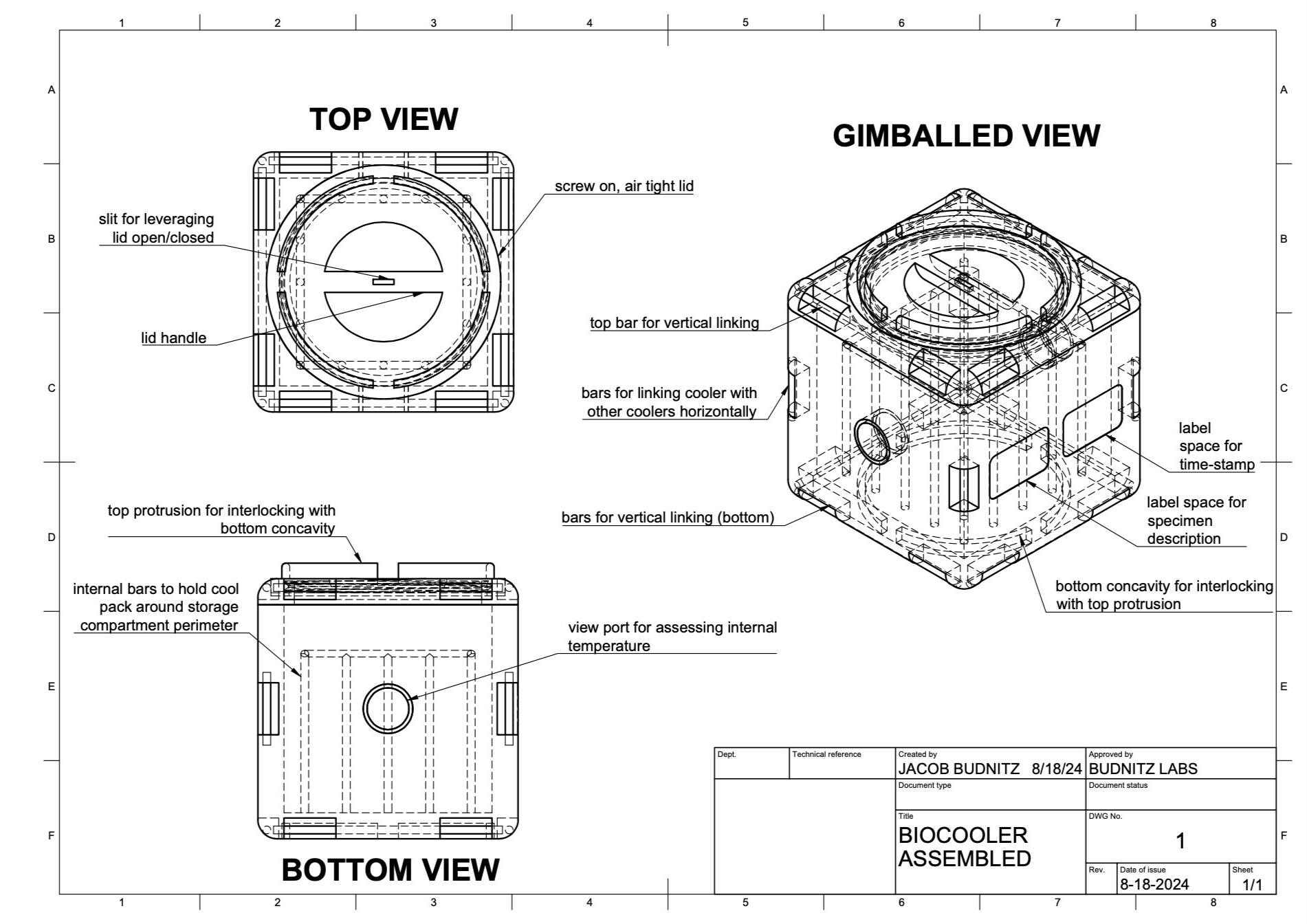
BioCooler Schematic
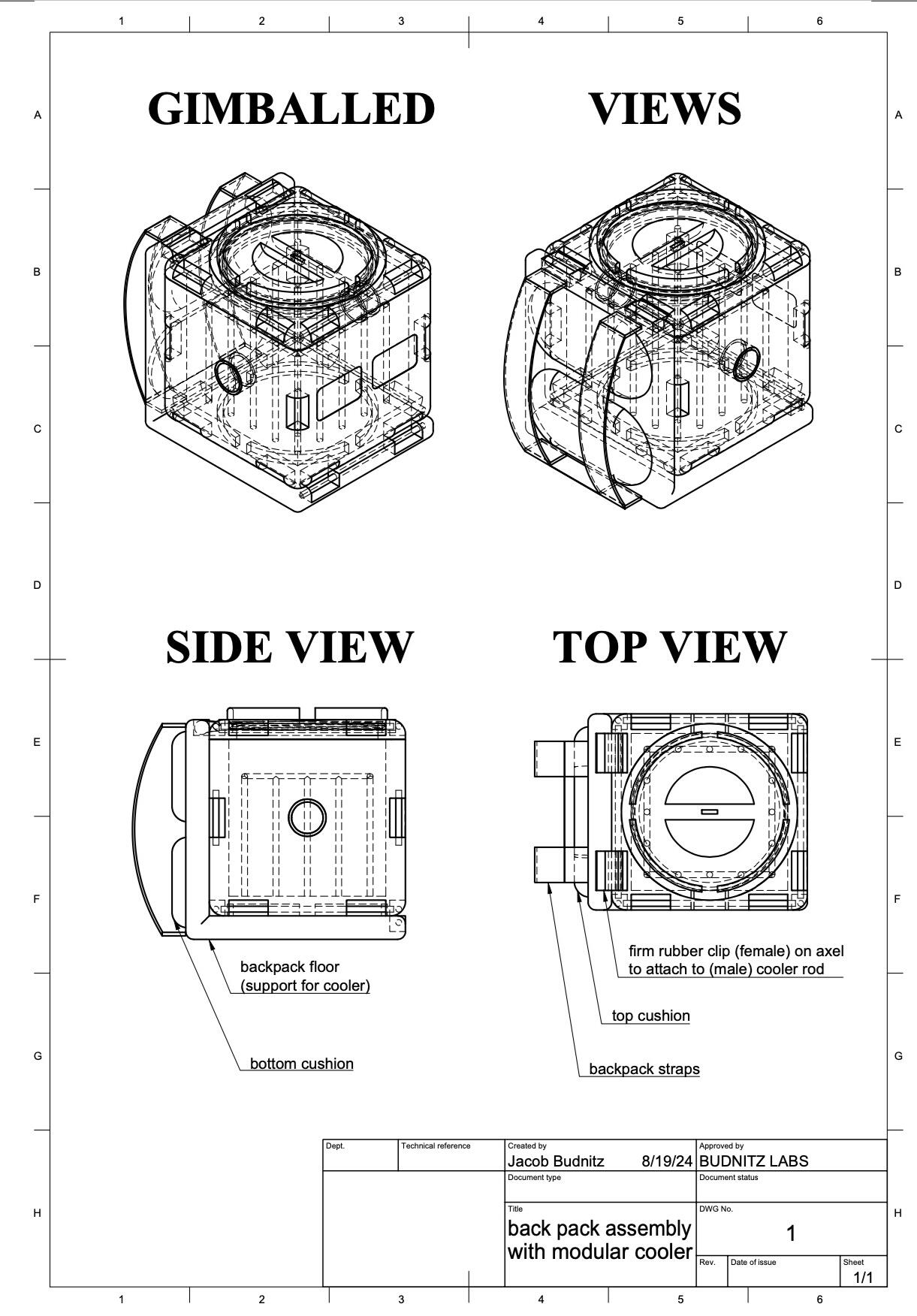
BioCooler with Backpack Attachment Schematic
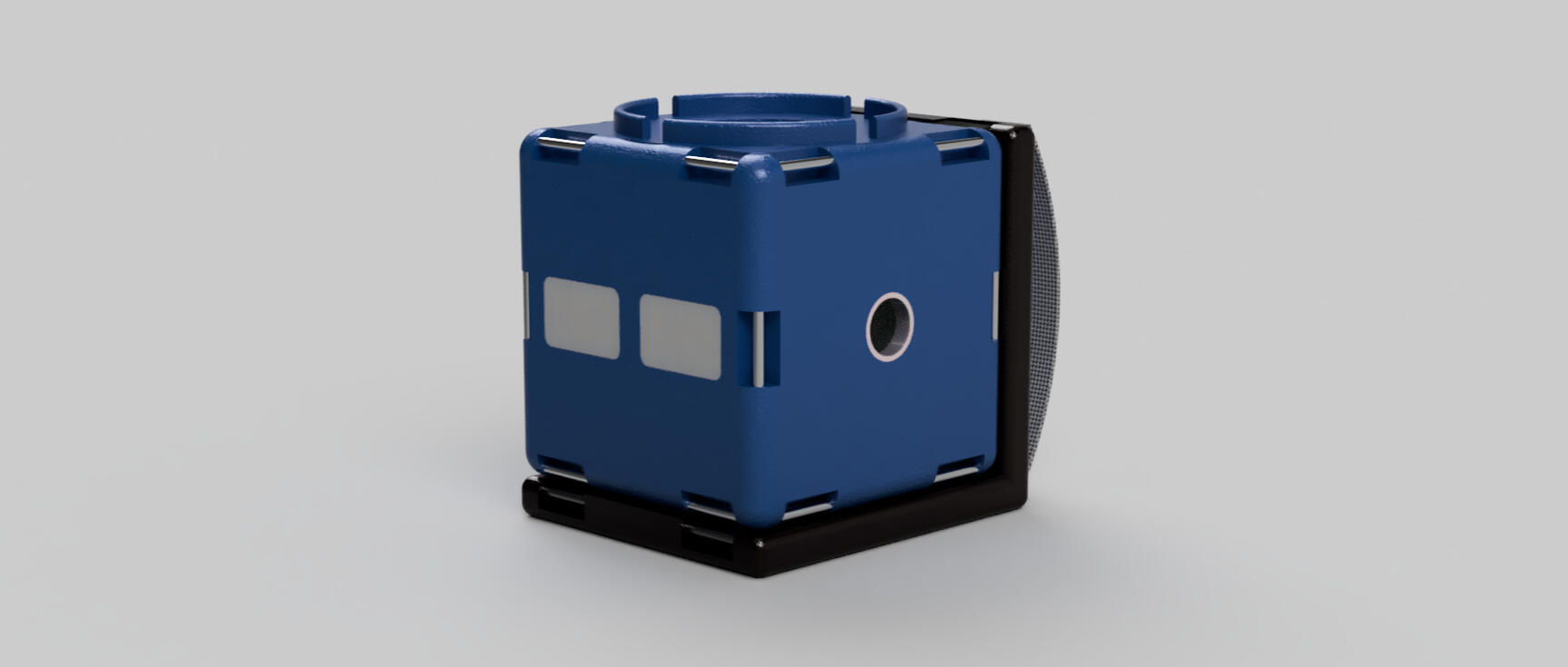
BioCooler with Backpack Attachment Render - Isometric View (Cooler Front)
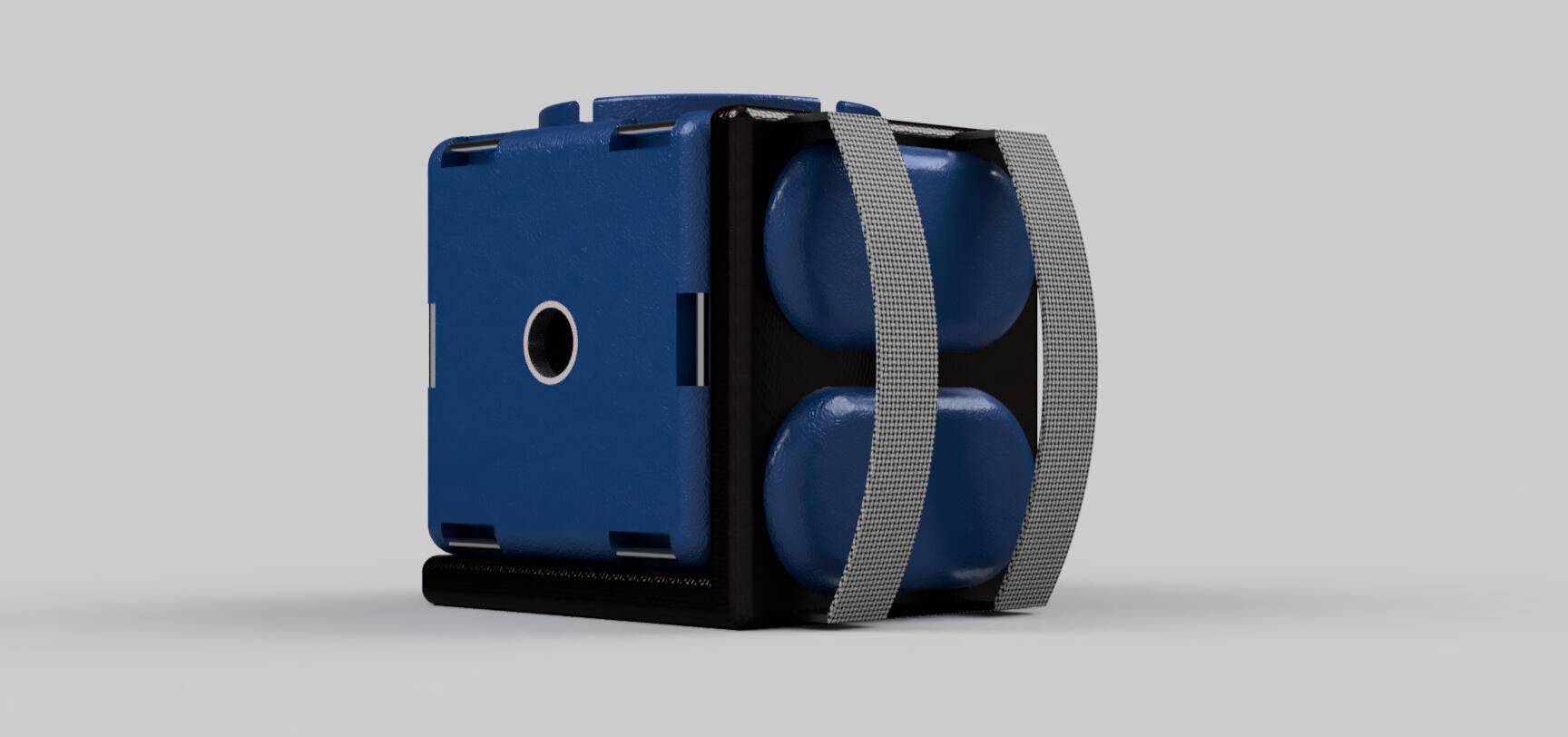
BioCooler with Backpack Attachment Render - Isometric View (Cooler Back)
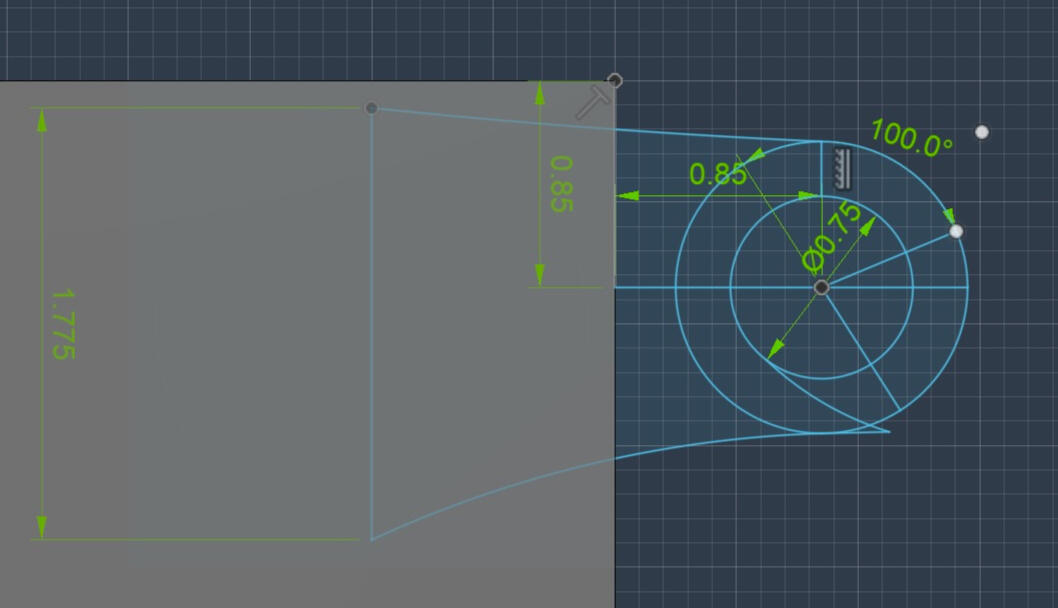
BioCooler Modular Clip Attachment Dimensions (cm)
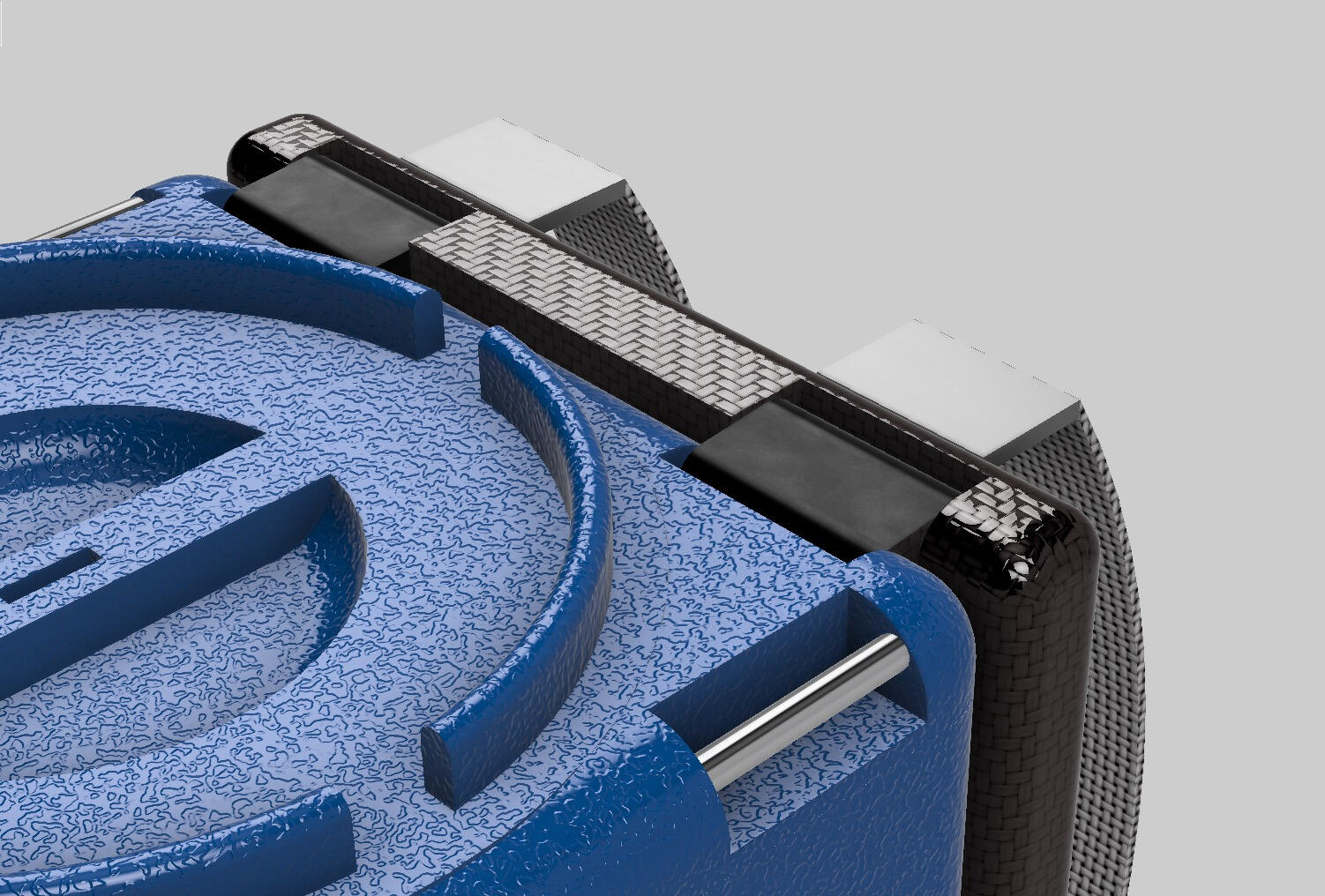
Close Up of BioCooler Clipped to Backpack Attachment Render
MANUSCRIPT
Medicines, reagents, and biologics often require cold storage to prevent heat-related degradation. Existing cold chain solutions use electrically cooled vehicles and containers to transport and store temperature sensitive materials; however, the requisite electricity supply, supplemental technologies, and expense of this approach makes its application to resource-scarce environments difficult. In light of these challenges, I have designed the BioCooler, a scalable, cold chain transport and storage solution for resource-scarce environments. The BioCooler is cooled by a natural endothermic reaction, rather than electricity, and employs thermochromic (heat induced color) changes to indicate temperature, rather than expensive digital temperature loggers. The BioCooler is also engineered with a modular design so that it can be easily secured to other coolers during transport and receive extra accessories to enable fieldwork. If realized, this technology could improve the accessibility to and viability of temperature controlled/cold chain transport (4-6°C) across the spectrum of resource-scarce environments.
CHEMICAL BASED COOLING
When electrical refrigeration is not available, the Centers for Disease Control and Prevention (CDC) recommends using an insulated container and frozen, water-filled icepacks to store and transport temperature sensitive material, such as vaccines. This approach can provide a viable cold chain solution when allotted the time and electricity needed to pre-freeze icepacks. However, these are luxuries often absent in resource-scarce environments, such as emergency scenarios and remote medical centers in developing areas.
The BioCooler employs the natural, endothermic dissolution reaction of urea in water to cool its internal storage compartment, removing the need for preparatory time or electricity and guaranteeing immediate readiness under any conditions. This reaction can be prepackaged into a "cold pack" by sealing urea pellets and a rupturable water capsule inside a thin bag constructed out of polylactic acid (PLA). This reaction can be initiated in seconds, simply by squeezing the PLA bag to burst the water capsule inside, much like an instant icepack. Once activated, the cold packs can be placed along the perimeter of the BioCooler's internal, insulated storage compartment and their endothermicity used to create a temperature controlled environment once the threaded lid is firmly tightened.
This chemical-based cooling approach is uniquely suited for resource-scarce environments as it removes the time and electricity needed to prepare existing methods of low-resource, cold chain transport and can be manufactured using materials that are both common and inexpensive. This solution can also be adapted to accommodate a wide range of temperatures as reagent quantities and cold pack numbers can be increased or decreased to make the internal compartment colder or warmer, respectively. Finally, this solution is environmentally sustainable as the cold pack's reagents, urea and water, are natural and the proposed packaging, polylactic acid, is biodegradable.
CHEMICAL BASED TEMPERATURE MONITORING
When transporting temperature sensitive material, the CDC also recommends including a temperature monitoring device with digital data logging capabilities inside the transport container to monitor temperature. This precaution is necessary to detect if the cold chain is compromised during transport but requires expensive electronic equipment. Additionally, most digital temperature data loggers do not transmit data in real time, making it impossible to know if cold chain has been compromised until the transport container is opened at the destination and the data logger is retrieved.
The BioCooler again replaces expensive, electronic temperature monitoring with an inexpensive, chemical alternative. A small amount of thermochromic pigment or dye – materials designed to change color at a predetermined transition temperature – can be included in the cold pack to provide a visual indication of when the cold packs exceed the maximum desired temperature, such as 6°C. Typically, cold chain containers are opaque; however, the BioCooler is outfitted with two viewports that provide windows for viewing this color change. Such visual temperature indication also allows the BioCooler's cold storage lifetime to be, theoretically, extended indefinitely, so long as cold packs can be monitored and replaced as needed.
COOLER DESIGN AND MODULARITY
The BioCooler can be assembled using cost-effective materials to preserve both efficacy and affordability. The cooler's exterior can be constructed out of a plastic, such as polyethylene, to create a sturdy outer shell and lined internally with insulating material, such as polyurethane foam, to ensure a climate controlled interior.
The BioCooler is also a standardized, modular system, optimizing packing efficiency. When shipped en mass, the cubic BioCoolers (l = 0.25 meters) can be vertically interlocked by placing the bottom concavity of one onto the top protrusion of another. Firm, yet pliable, rubber linkage pieces can be used to further secure BioCoolers to one another by snapping onto the aluminum rods uniformly placed on the BioCooler's exterior. This rod-linkage system modularizes the BioCooler, making it easy to connect other attachments, such as a pouch to hold additional cold packs, storage containers with materials for fieldwork, and a backpack for individual transport.
EVALUATION
The BioCooler's efficacy can be evaluated experimentally simulating its use in real world environments. This could be achieved by placing cold packs of varying number and reagent quantities in the BioCooler with sample specimens (such as vials of water) and using thermocouples or other temperature probes to track the container's internal temperature over time. This data could be used to identify the effects of reagent quantity on cold storage lifetime and to validate the accuracy of the thermochromic color change. This procedure can be repeated in different ambient temperatures to replicate different a range of environmental temperatures and further amended to include refreshing cold packs after expiration to if continuous cold pack replacement is a viable means of extending storage lifetime.
FUTURE OUTLOOK
The global COVID-19 vaccination effort has demonstrated the need for cold chain solutions in resource-scarce environments. And, with world populations continuing to grow and biotechnology continuing to progress, we can only expect the need for versatile cold chain solutions to increase. Through its use of readily available and natural materials, electrically independent chemical cooling, and modular designs, the BioCooler provides an affordable, sustainable, and reliable means of making temperature sensitive technologies accessible to all.